Why Women in Electronic Music Still Have to Prove More
Electronic music was built on freedom. It was created for people who wanted to escape rules, borders, social pressure, and old ideas about what music should be. From underground clubs to massive EDM festivals, dance music has always promised one thing: everyone belongs on the dancefloor.But behind the lights, the speakers, and the energy of the crowd, the music industry has not always been as open as the culture it represents.For decades, female DJs, female music producers, and women in electronic music have had to fight not only for bookings, but also for respect. Their talent has often been questioned before it was heard. Their technical skills have been doubted before they touched the decks. Their success has sometimes been explained by appearance, marketing, or image — while male DJs were more often judged by their music first.This is one of the most uncomfortable truths in DJ culture: the dancefloor may feel equal, but the industry around it has not always been equal.
The Problem Is Not Talent. The Problem Is Access.
women in electronic music. The problem has always been access — access to studios, access to mentors, access to lineups, access to labels, access to professional networks, and access to being taken seriously.In many parts of the industry, women DJs have faced the same invisible wall: before they can be judged as artists, they are judged as women.A male DJ can walk into a booth and be assumed to know what he is doing. A female DJ often has to prove it first.A male producer can release a powerful track and be called talented. A female producer may be asked who really made the beat.A male artist can be ambitious and focused. A female artist can be called difficult for showing the same confidence.This double standard has shaped the careers of many women in dance music. It has affected how they are booked, how they are promoted, how they are interviewed, and how their work is remembered.
Women Were There From the Beginning
The irony is that electronic music would not exist in its current form without women.Long before EDM became a global industry, women were already experimenting with machines, tape, synthesis, radio technology, and sound design. Pioneers such as Daphne Oram, Delia Derbyshire, Pauline Oliveros, Wendy Carlos, Laurie Spiegel, Clara Rockmore, and other visionary artists helped shape the language of electronic sound.They were not simply “women in music.” They were architects of the future.They worked with technology when electronic sound was still considered strange, experimental, and difficult to understand. They built new methods of composition, explored tape manipulation, created sound worlds from machines, and proved that music did not need to be limited by traditional instruments.Yet many of these names were ignored, reduced, or rediscovered only years later.That is why the conversation about women DJs discrimination is not only about today’s festival lineups. It is also about history. It is about who gets remembered, who gets credited, and who gets erased.
From Studio Pioneers to Club Culture
As club culture grew through the late 20th century, electronic music moved from laboratories and studios into warehouses, radio shows, record shops, illegal raves, and eventually global festivals.But the structure of opportunity remained uneven.DJ booths were often treated as male spaces. Record shops could be intimidating environments. Promoters booked from the same trusted circles. Labels often followed patterns they already knew. In many scenes, women had to work harder to enter the same rooms where men were casually invited.This was especially visible in genres built around heavy sound, technical precision, and underground credibility — including techno, jungle, drum and bass, and other bass music scenes.For female drum and bass DJs, the challenge was often even sharper. Drum and bass has always been one of the most technically demanding forms of electronic music. Its speed, energy, and sound design require serious skill. But instead of being recognized only for musical ability, many women in the scene had to fight the stereotype that they were guests in a culture they helped build.
Women Were There From the Beginning
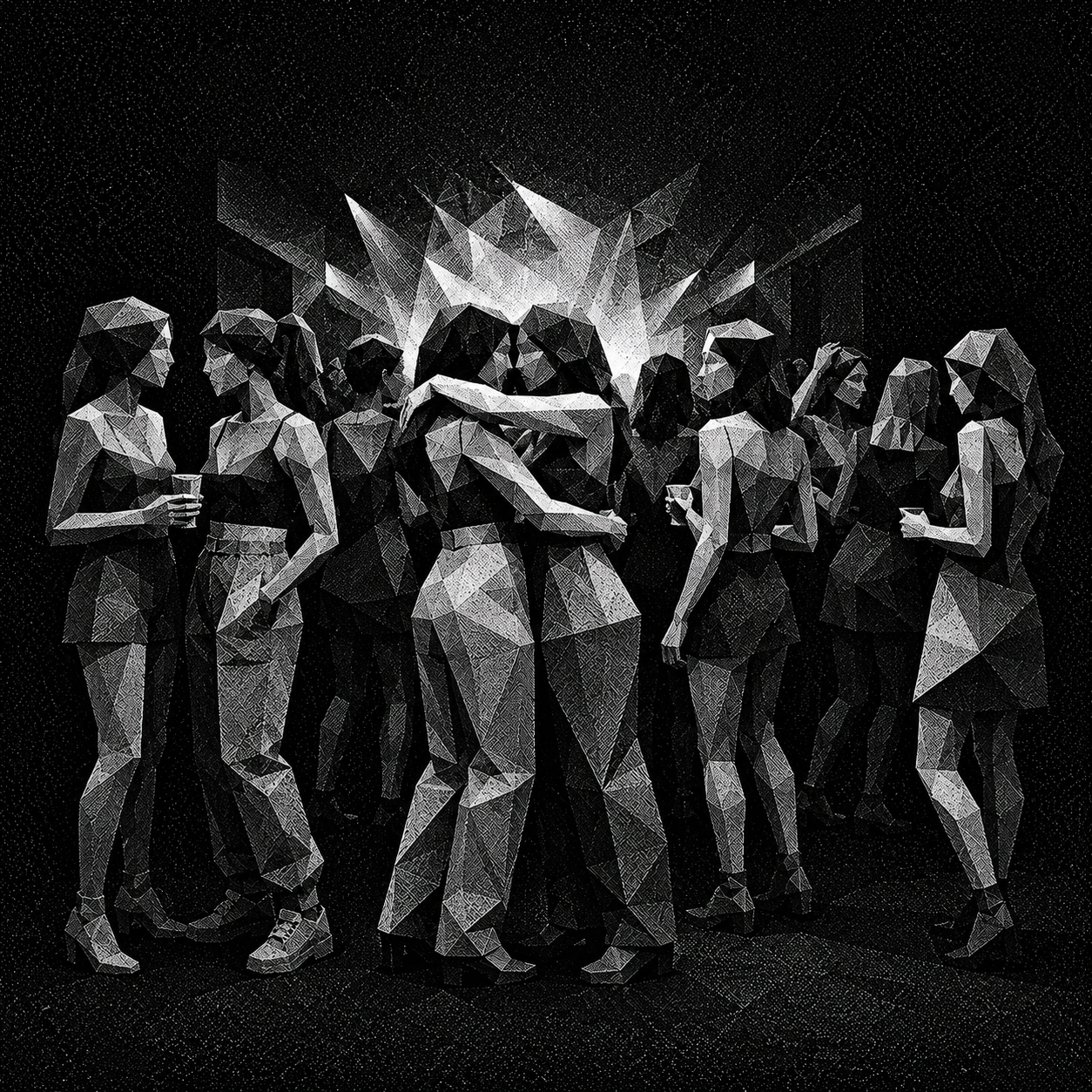
The irony is that electronic music would not exist in its current form without women.Long before EDM became a global industry, women were already experimenting with machines, tape, synthesis, radio technology, and sound design. Pioneers such as Daphne Oram, Delia Derbyshire, Pauline Oliveros, Wendy Carlos, Laurie Spiegel, Clara Rockmore, and other visionary artists helped shape the language of electronic sound.They were not simply “women in music.” They were architects of the future.They worked with technology when electronic sound was still considered strange, experimental, and difficult to understand. They built new methods of composition, explored tape manipulation, created sound worlds from machines, and proved that music did not need to be limited by traditional instruments.Yet many of these names were ignored, reduced, or rediscovered only years later.That is why the conversation about women DJs discrimination is not only about today’s festival lineups. It is also about history. It is about who gets remembered, who gets credited, and who gets erased.
From Studio Pioneers to Club Culture
As club culture grew through the late 20th century, electronic music moved from laboratories and studios into warehouses, radio shows, record shops, illegal raves, and eventually global festivals.But the structure of opportunity remained uneven.DJ booths were often treated as male spaces. Record shops could be intimidating environments. Promoters booked from the same trusted circles. Labels often followed patterns they already knew. In many scenes, women had to work harder to enter the same rooms where men were casually invited.This was especially visible in genres built around heavy sound, technical precision, and underground credibility — including techno, jungle, drum and bass, and other bass music scenes.For female drum and bass DJs, the challenge was often even sharper. Drum and bass has always been one of the most technically demanding forms of electronic music. Its speed, energy, and sound design require serious skill. But instead of being recognized only for musical ability, many women in the scene had to fight the stereotype that they were guests in a culture they helped build
The Modern Female DJ Is Not a Trend
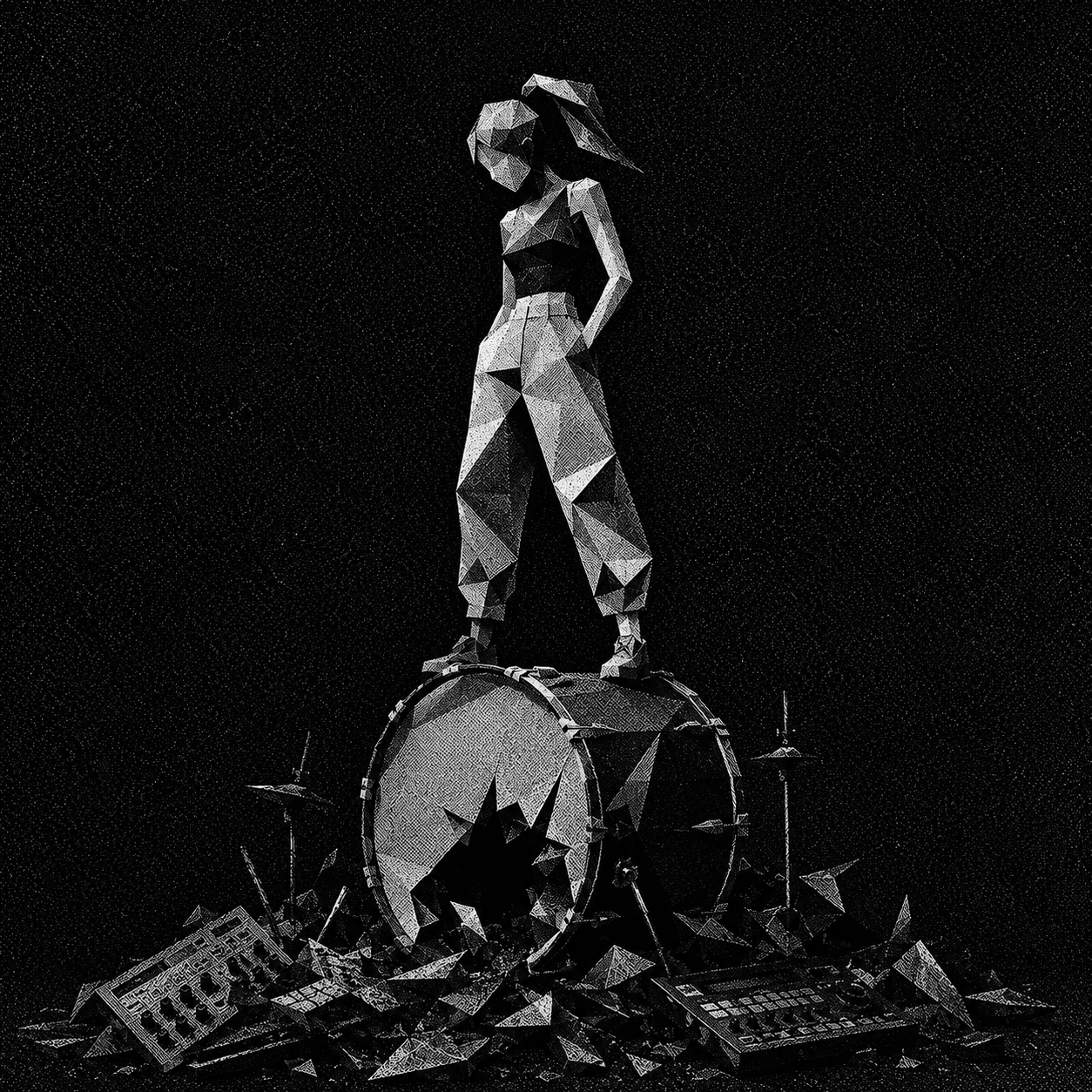
Today, the presence of female EDM DJs, female drum and bass DJs, and women in electronic music is stronger than ever. Women are headlining festivals, running labels, building collectives, producing records, engineering tracks, managing brands, and shaping underground scenes across the world.But this should not be treated as a trend.It is not a marketing wave. It is not a diversity campaign for image. It is not a “female moment.”It is a correction.For too long, the industry treated women as exceptions. Now the scene is slowly learning to recognize what was always true: talent was never male.A great DJ set does not have a gender.A powerful drop does not have a gender.A strong arrangement, a clean mixdown, a deep bassline, a perfect transition, a unique vocal idea, or a club record that destroys the dancefloor — none of these things belong to men or women only.They belong to artists.
Why Discrimination Still Exists
Discrimination against women DJs does not always appear openly. In modern music culture, it is often more subtle.It can appear when a female DJ is booked only for visual balance, not because the promoter understands her music.It can appear when people assume a male engineer made her track.It can appear when social media comments focus more on her body than her sound.It can appear when a male DJ is allowed to experiment, but a female DJ is expected to be perfect every time.It can appear when women are asked about fashion, relationships, or image while men are asked about production, labels, and creative vision.These small patterns create a larger system. And that system affects confidence, visibility, income, and long-term career growth.
The Role of Ghost Production and Professional Support
the modern EDM industry, many artists work with teams. This is normal. Major DJs, pop artists, vocalists, and electronic performers often collaborate with producers, engineers, songwriters, mixers, and creative directors.The problem begins when collaboration is judged differently depending on gender.When a male artist works with a producer, it is often seen as strategy.When a female artist does the same, people may use it to question her legitimacy.This is unfair.Professional support, including ghost production, co-production, mixing, mastering, and arrangement, is part of the modern music business. What matters is not whether an artist works alone in complete isolation. What matters is the final quality of the music, the honesty of the creative direction, and the ability to build a real artistic identity.Platforms like EDMKillers exist because today’s music industry is built on collaboration. EDM producers, vocalists, DJs, and labels all need reliable creative networks. For women artists, access to professional production support can be especially important because it helps reduce the gatekeeping that historically blocked many careers before they had a chance to grow.
A Scene Cannot Be Underground If It Excludes People
Electronic music loves to call itself underground. But underground culture loses its meaning when it repeats the same old power structures it claims to reject.A real underground scene should be open to new voices.A real club culture should protect creative freedom.A real music movement should not ask women to be twice as good just to be treated as equal.The future of electronic music depends on diversity not as a slogan, but as a creative engine. More women DJs means more perspectives. More female music producers means more sound design ideas. More women in drum and bass means a stronger, deeper, and more unpredictable scene.The industry does not become weaker when more artists are included.It becomes more alive.
EQ50: Changing the Future of Drum & Bass
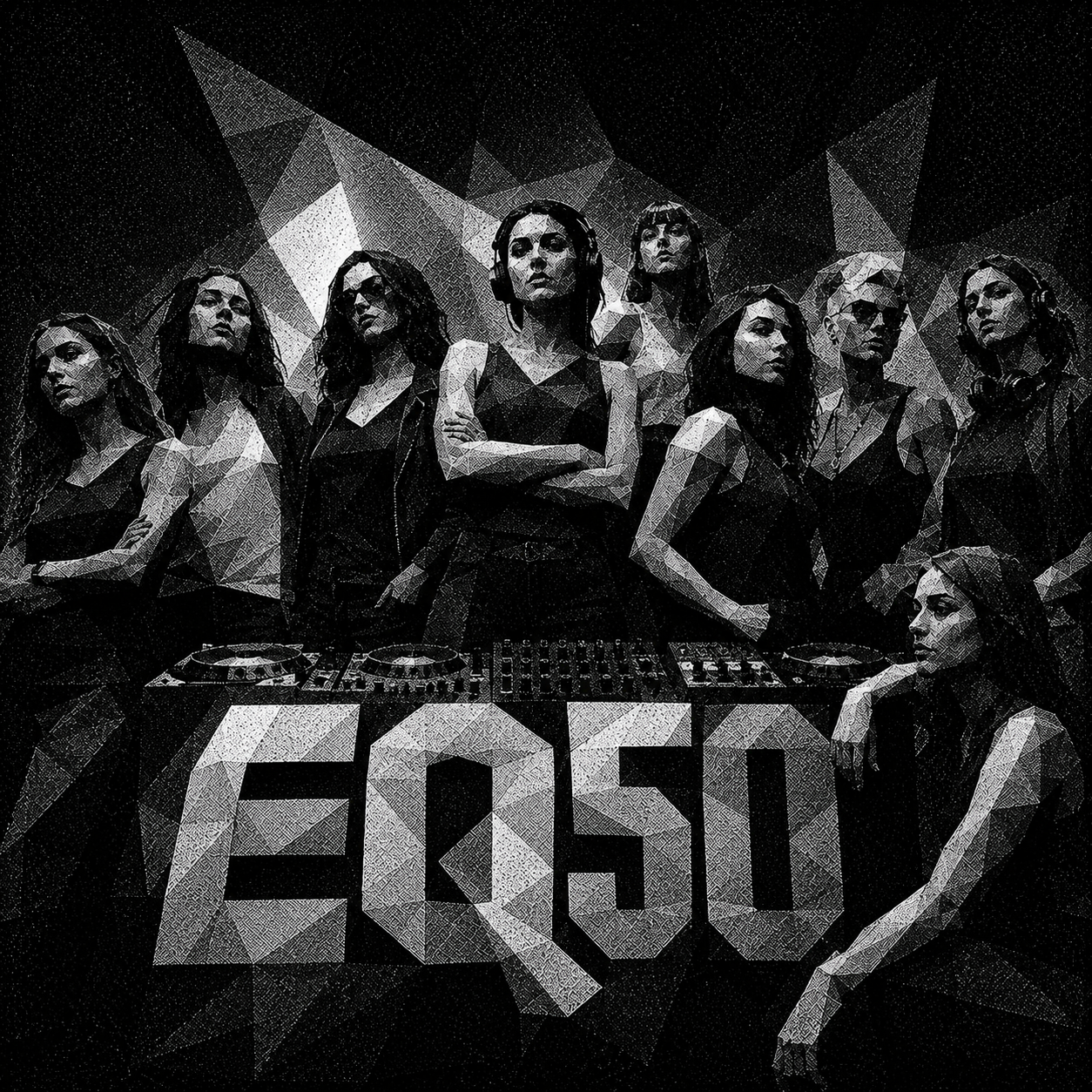
While discrimination has not completely disappeared, the electronic music industry has made important progress over the last decade.One of the most recognized initiatives is EQ50, an independent organization launched in the UK to promote greater gender equality across the drum and bass scene. Rather than asking for special treatment, EQ50 focuses on creating equal opportunities through education, mentorship, networking, and professional support for women working in electronic music.Its mission is simple: artists should be judged by their music, creativity, and professionalism—not by their gender.Organizations like EQ50 have helped encourage important conversations across labels, festivals, promoters, and the wider drum and bass community. As a result, more women are appearing on festival lineups, leading record labels, producing music, and building successful long-term careers.
The Industry Is Moving Forward
Today's electronic music scene is more open than ever before.Streaming platforms, social media, affordable home studios, and global online communities have made it possible for talented artists to reach audiences without relying on traditional gatekeepers.The next generation of female DJs, female music producers, and women in electronic music is entering the industry with more opportunities than ever before.There is still work to do, but progress is happening.
Talent Has No Gender
Music has never cared about gender.A great melody, a powerful bassline, an unforgettable DJ set, or an emotional vocal does not become better or worse depending on who created it.The future of electronic music belongs to artists who continue to push creativity forward, inspire audiences, and contribute something original to the culture.The strongest scenes are always the most diverse ones.When opportunities are based on talent instead of stereotypes, everyone wins—the artists, the listeners, the festivals, and the future of electronic music itself.